Guide
Wolf vs Bosch: Burners, Build, Service and Parts Compared
A fair Wolf vs Bosch comparison for owners: burner and oven Btu, propane output, repair patterns, parts and service, using published specs only.
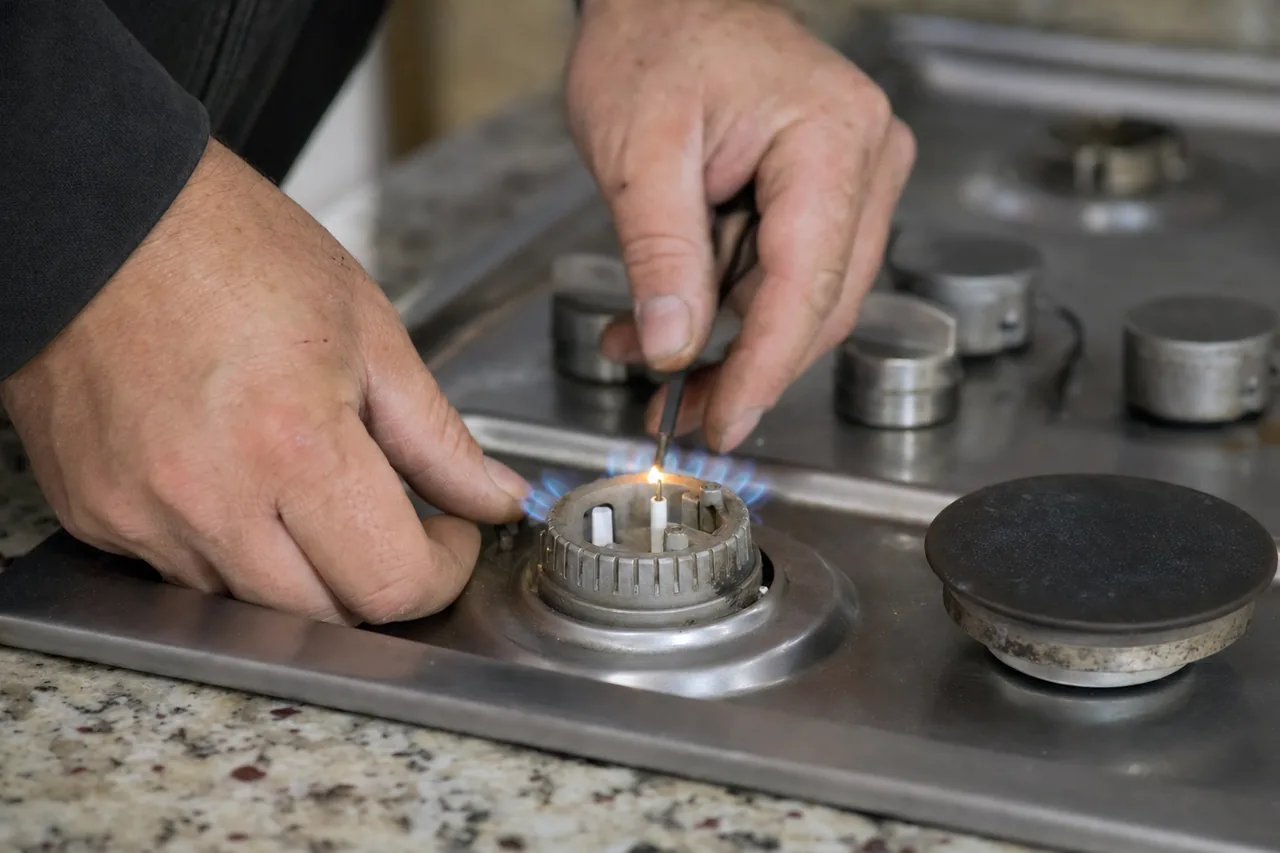
Wolf vs Bosch comes down to output and build: a Wolf dual fuel range runs 20,000 Btu on the front left burner and 18,000 Btu on the other front burners, while the Bosch 800 Series HGI8056UC 30” gas slide-in range tops out with one 18,000 BTU center burner on natural gas. Wolf is a cooking-only premium line that costs considerably more, and Bosch is a broader, lower-priced line that handles everyday cooking well, so the right pick depends on how hard you cook and what your kitchen can support.
If a Reddit thread brought you here, this guide skips the brand loyalty and sticks to published numbers and shared repair patterns.
How do Wolf and Bosch burners compare?
On Wolf dual fuel ranges and sealed burner rangetops the layout is the same: 20,000 Btu front left, 18,000 Btu on any other front burner, 9,200 Btu rear left and 15,000 Btu on any other rear burner. That gives you a true searing burner, several strong boiling burners and a low rear burner for sauces. Wolf’s 36” contemporary gas cooktop also has a 20,000 Btu large burner.
The Bosch HGI8056UC puts its power into one 18,000 BTU center burner, which drops to 15,000 BTU on LP (propane). For pasta, eggs and weeknight sautéing, that is plenty. If you sear often, cook in a wok or run two big pots at a hard boil, the Wolf front row is the difference you will feel.
What is different inside the ovens?
Wolf GR gas ranges with 30” or 36” ovens use a 30,000 Btu bake burner and an 18,000 Btu broil burner, and Wolf lists the same output for LP models. The Bosch HGI8056UC pairs an 18,000 BTU bake burner with a 12,500 BTU broil burner in a 4.8 cu. ft. cavity.
A dual fuel range puts gas burners over an electric oven, which many bakers prefer for its even temperature. Both brands also sell built-in wall ovens, such as the Bosch 500 Series HBL5451UC, and Wolf adds steam and convection wall ovens.
| Factor | Wolf | Bosch | What to check |
|---|---|---|---|
| Lineup | Cooking only | Cooking, dishwashers, refrigerators | Whether one brand for the whole kitchen matters |
| Strongest gas burner | 20,000 Btu front left | 18,000 BTU center (HGI8056UC) | How often you sear or stir-fry |
| On propane | GR models keep the same Btu | Center burner drops to 15,000 BTU | Your home’s fuel supply |
| Gas oven | 30,000 Btu bake, 18,000 Btu broil | 18,000 BTU bake, 12,500 BTU broil | How much you bake and broil |
Which brand holds up better over the years?
There is no honest way to call one brand more dependable without hard data, and both fail in the same places: spark igniters and spark modules, oven igniters or bake elements, temperature sensors, door gaskets and control boards. The pattern follows design more than the badge. A range built around touch controls leans toward control board and sensor repairs; one built around gas valves and knobs leans toward ignition parts.
Wolf’s heavier grates, doors and burner hardware are built for hard daily use, while Bosch’s lighter slide-in design is simpler to move and install. On either brand, wipe boil-overs before they bake onto igniters, keep burner ports clear, and call for service when a burner clicks but will not light instead of holding the knob open.
What should Irvington kitchens check before choosing?
Irvington has many older houses on the hillsides above the Hudson, and kitchens there are often remodeled inside an existing footprint. Before trading a 30” opening for a 36” Wolf, measure the cabinet run, confirm the gas line and electrical supply, and look hard at the hood. A front row of 18,000 and 20,000 Btu burners puts out far more heat and grease than a single 18,000 BTU burner, so a weak hood will smoke up the room. If yours already struggles, start with ventilation hood repair.
How do service and parts compare?
Wolf is part of the Sub-Zero Group, which also makes Sub-Zero refrigeration and Cove dishwashers. Bosch belongs to BSH, the group behind Thermador and Gaggenau, and its parts are widely stocked. With either brand, the model number speeds the repair. On Bosch electric slide-in ranges such as the HEI8056U, the label with the model number (E-Nr.) is on the back of the drawer front. On 500 Series built-in ovens like the HBL5451UC, the data plate is on the left side of the door trim on bottom-hinge ovens.
Typical ranges for common repairs on either brand; the firm quote is given on site after diagnosis:
| Repair | Typical range |
|---|---|
| Diagnostic / service call (credited toward the repair) | $95–$149 |
| Oven igniter / bake element | $250–$500 |
| Gas valve / spark module | $300–$650 |
| Control board / electronics | $400–$850 |
Irvington Wolf Appliance Repair is an independent service, not manufacturer-authorized, and handles range repair on Wolf and Bosch alike.
Frequently asked questions
Is Wolf worth the extra cost over Bosch?
Wolf is worth it if you cook with high heat often and want several 18,000 and 20,000 Btu burners plus a 30,000 Btu gas oven. If you mostly cook weeknight meals, a Bosch range delivers solid results for considerably less.
Where does Thermador sit between Wolf and Bosch?
Thermador is Bosch’s sister brand under BSH, aimed at the premium tier closer to Wolf. Choosing between it and Wolf comes down to the same burner, oven and service questions covered above.
Is Wolf or Bosch induction the better choice?
Both brands sell induction cooktops that heat the pan through a magnetic field, so either needs cookware a magnet sticks to. The choice is mostly width, controls and budget.
Does Wolf make refrigerators to match its range?
No. Wolf makes cooking appliances only, and the matching refrigeration in the same family is Sub-Zero.
Can one technician work on both brands?
Yes. Call Irvington Wolf Appliance Repair at (914) 275-0968 with your model number ready.